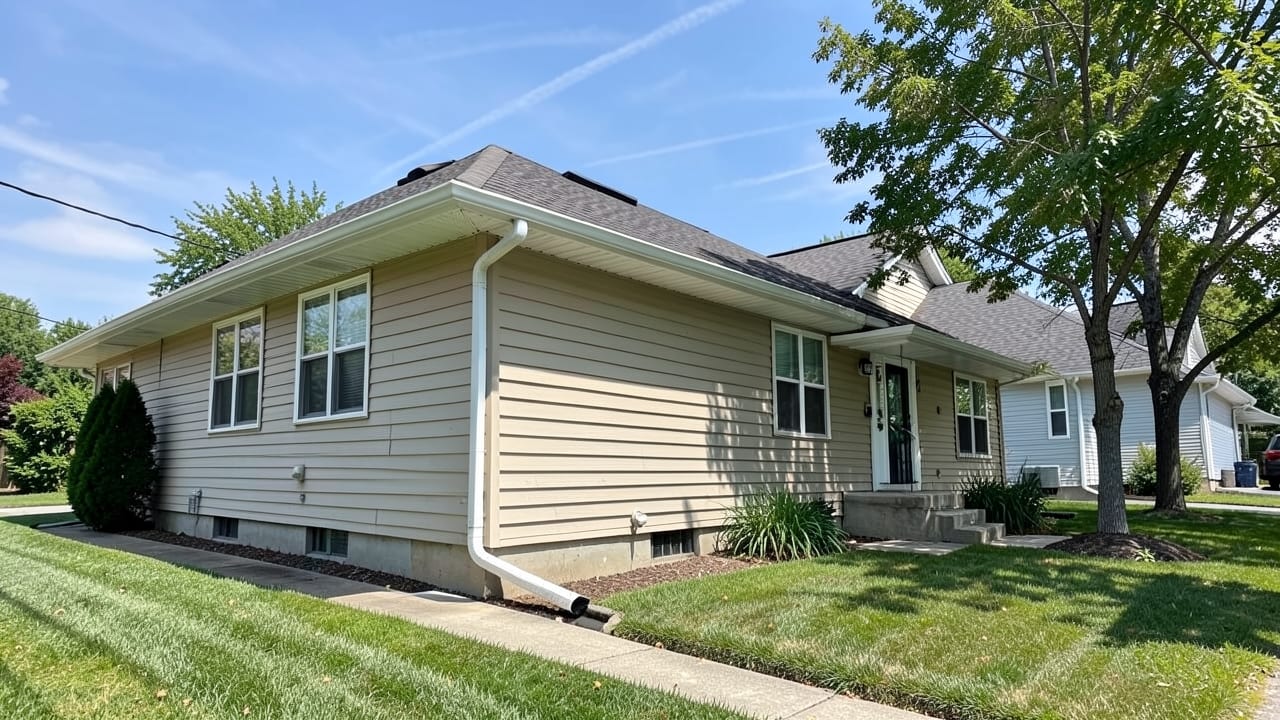
Overflowing Gutter Water Diversion
Redirecting excess gutter water to prevent damage and erosion around the home.
Overflowing gutter water diversion in Johns Creek, GA, addresses a common but often overlooked issue: clogged or undersized gutters that dump excess water onto foundations, eroding landscaping and risking basement leaks. This targeted service assesses drainage paths, installs or adjusts downspout extensions, and ensures water is safely directed away from your home’s structure, protecting long-term integrity.
Why overflowing gutters demand immediate attention
Overflowing gutters don’t just create messy puddles—they signal a system failing under pressure. Water spilling over the front edge during storms, dark streaks on siding, or even weeds sprouting from the trough are unmistakable signs of a clog or structural weakness. These issues, left unchecked, accelerate foundation erosion, basement leaks, and costly landscaping damage.
We also handle Moldy Gutter Sanitization and Pest Nest Gutter Clearance for Johns Creek properties.
In Johns Creek’s dense tree canopy—especially with pines, oaks, and maples—debris accumulates rapidly. A single storm can drop enough leaves, seed pods, and twigs to overwhelm gutters, turning a routine cleaning into an emergency. The key is catching problems before they escalate, whether it’s a sagging section, a downspout backup, or hardware pulling away from the fascia.
Signs Your Gutters Need Overflow Diversion
- Water visibly pouring over the front edge of the gutter during a storm (light or heavy clog).
- Weeds, grass, or seedlings growing directly from the gutter trough (indicates long-term debris buildup).
- Dark streaks or water stains running down siding directly below a section of gutter (overflow point).
- Sagging or pulling-away gutter sections (structural failure from excess weight).
- Nests (birds, wasps, rodents) inside the trough (signifies neglected maintenance).
- Downspouts discharging slowly or not at all after a rain (hidden blockage in the outlet).
What affects pricing and timing?
Pricing for overflowing gutter water diversion in Johns Creek varies based on the scope of the job, not just the linear footage of gutters. A two-story home with steep rooflines or overhanging trees requires more time, safety setup, and hardware checks than a single-story home with minimal debris. The right schedule also depends on your property’s specific conditions—heavy pine canopy may need clearing more than twice a year, while a home with little overhang might only need it annually.
Timing matters just as much as pricing. Clearing gutters after a storm with high wind—even without heavy rain—can prevent debris from compacting into a stubborn blockage. Proactive checks after seasonal changes (spring leaf drop, fall twig accumulation) also reduce the risk of overflow during peak rainfall. The goal is to match the maintenance schedule to your property’s actual needs, not a generic seasonal default.
Common pitfalls to avoid
DIY attempts to clear gutters often make problems worse. Pushing debris toward the downspout instead of away from it can turn a surface clean into a hidden clog deeper in the system. Similarly, resting a ladder directly on the gutter edge—rather than the fascia or roofline—can bend or pull sections away from the home, creating new damage. These mistakes are avoidable with professional techniques that prioritize safety and long-term functionality.
Another critical oversight is ignoring downspout maintenance. A clean gutter trough with a blocked downspout extension is still an overflow risk. The extension’s position, clearance from the foundation, and lack of burial are just as important as the gutter itself. Skipping these checks means the system won’t perform as intended, even after a thorough cleaning.
Avoid estimates that: lack linear footage or story count details; offer a single flat price without scope transparency; exclude downspout clearing or debris disposal; or refuse to provide a written scope of work upfront. These are common signs of hidden exclusions or incomplete service.
How overflowing gutter water diversion works
This service starts with a thorough assessment and ends with a functional drainage system—here’s how it’s done.
- 1Roofline and Gutter Walkthrough
A visual inspection of the roofline identifies sagging sections, separated seams, and downspouts already showing signs of clogging. This step sets the scope of the job based on what’s visible from the ground and the ladder, not assumptions.
- 2Hand Removal of Debris
Leaves, seed pods, and shingle grit are cleared from the gutter trough by hand or with a small scoop, working *toward* the downspout outlets. This prevents loosened debris from being pushed deeper into partially blocked sections.
- 3Downspout Flush Test
Water is run through each downspout from the top to confirm it exits freely at the bottom. This step proves the system works—even a clean trough with a blocked downspout will overflow in the next storm.
- 4Hardware and Fastener Check
Loose brackets, pulled spikes, and separating end caps are noted and addressed while the crew is at the gutter line. Catching failing hardware early prevents costly repairs later.
- 5Rinse-Down and Documentation
The gutter and roofline are rinsed of debris kicked up during cleaning, and photos of the cleared trough and hardware condition are kept on file. This serves as a record of what was found, not just the appearance of the job.
Frequently asked questions
How do I know if my gutters need overflow diversion instead of just a regular cleaning?
If you’re seeing water spill over the front edge during storms, dark streaks on your siding, or plants growing from the gutter trough, those are clear signs of an overflow issue. Regular cleaning removes debris, but diversion addresses the *drainage path*—whether downspouts are properly directing water away from the foundation or need extensions/splash blocks.
Will fixing overflowing gutters prevent basement leaks?
Overflowing gutters are a major contributor to basement leaks, especially if water is pooling near the foundation. While not every leak is gutter-related, proper diversion—combined with grading adjustments and sump pump checks—dramatically reduces the risk by keeping water moving away from the home’s structure.
How often should I have this service done in Johns Creek?
It depends on your property’s overhang. Homes under heavy pine or leaf canopy may need clearing 2–3 times a year, while those with minimal overhang might only need it annually. A quick check after high-wind storms—even without rain—can catch sudden debris buildup before it causes overflow.
Do you handle downspout extensions or underground piping for diversion?
Yes. If your downspouts aren’t directing water far enough from the foundation, we install or adjust extensions and splash blocks. For severe cases, underground piping may be recommended to route water to a safe discharge point, especially in sloped yards or tight spaces.
Where Johns Creek sits, and what the Census lists nearby
Johns Creek sits in Georgia, and the closest places listed in the U.S. Census Gazetteer are Berkeley Lake (3.7 miles south), Duluth (3.7 miles southeast), Alpharetta (4.7 miles northwest), Peachtree Corners (4.8 miles south). Within 25 miles of Johns Creek the same source lists 58 distinct incorporated places and census-designated places. Those figures matter for overflowing gutter water diversion because they are straight-line distances between Census coordinate points: road mileage between Johns Creek and Berkeley Lake runs longer than the 3.7 miles shown, which is why quotes for the same job differ between towns that look close together on a map. Source: U.S. Census Bureau Gazetteer.
See Rest Haven, GA for more, or check out what we cover for Johns Creek properties by neighborhood for our complete lineup.
Ready to get started?
Talk to a local gutter cleaning pro in Johns Creek — get a written quote.
Other Gutter Cleaning Services in Johns Creek
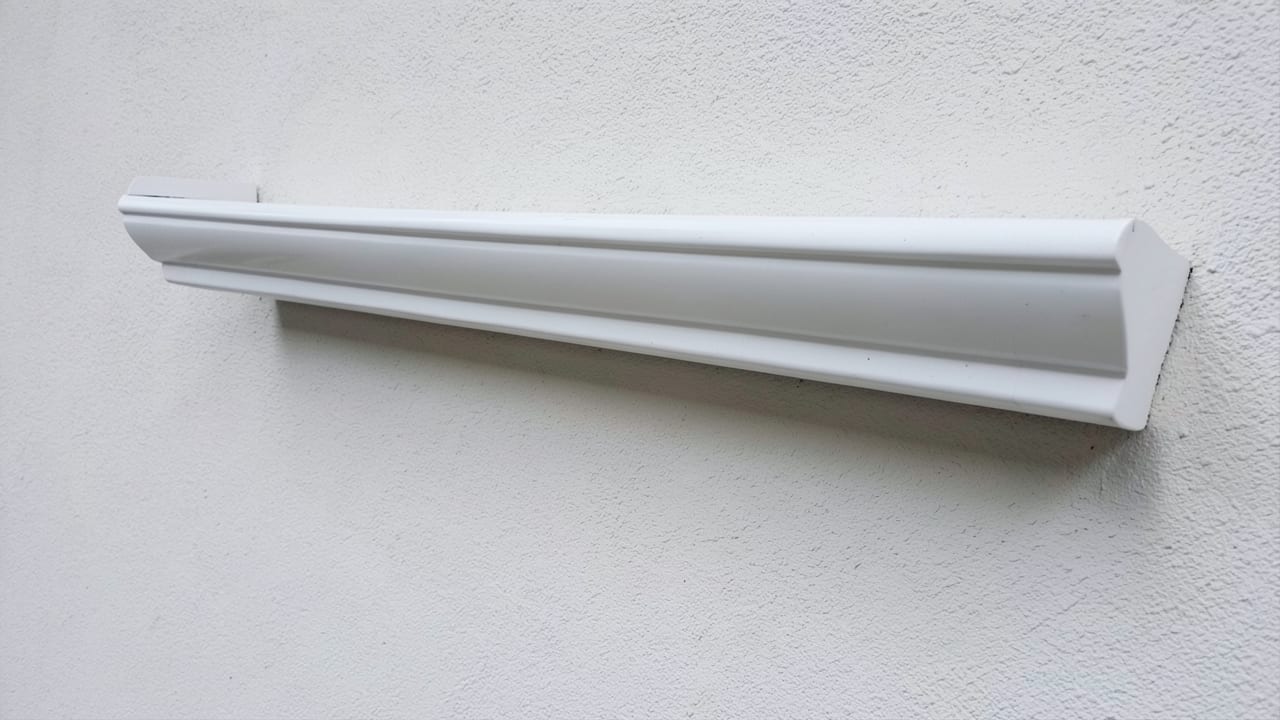
Moldy Gutter Sanitization in Johns Creek, GA
Removal of mold, mildew, and debris from gutters to restore proper water flow.
Learn More
Pest Nest Gutter Clearance in Johns Creek, GA
Removal of pest nests and debris from gutters to restore proper water flow.
Learn More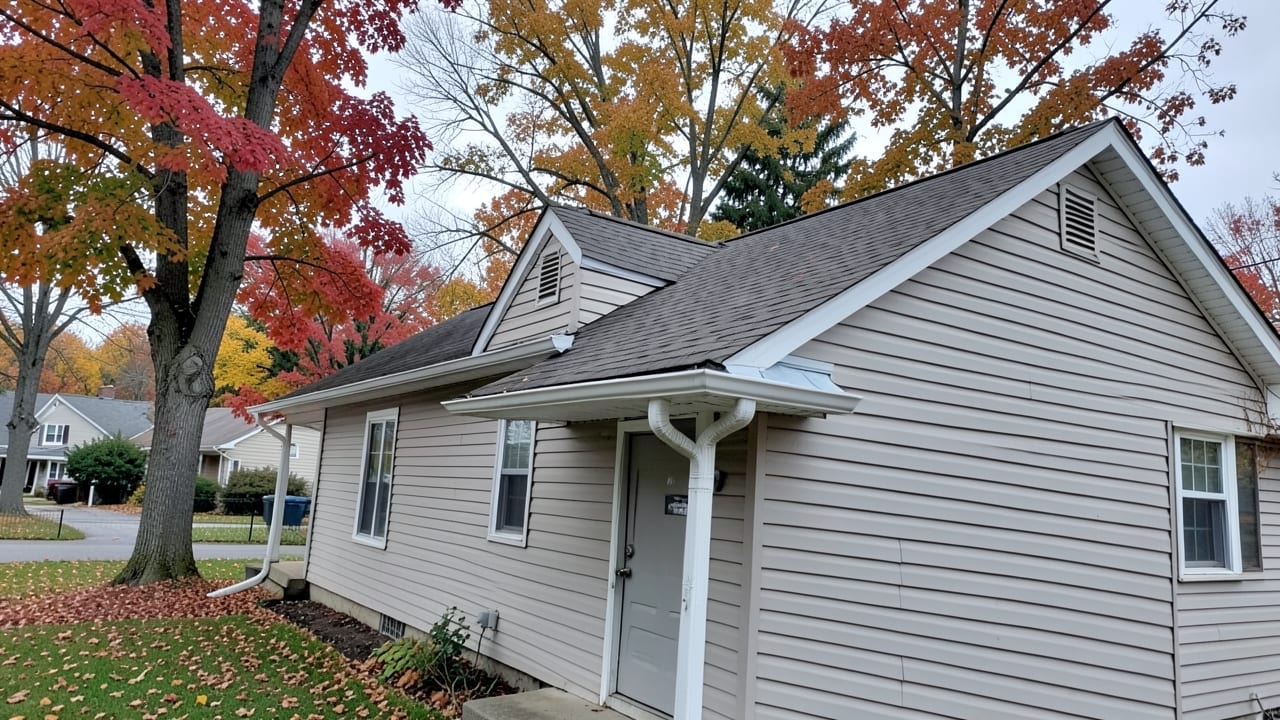
Pre-Winter Gutter Flush in Johns Creek, GA
Pre-winter gutter cleaning to remove debris and ensure proper drainage before cold weather.
Learn More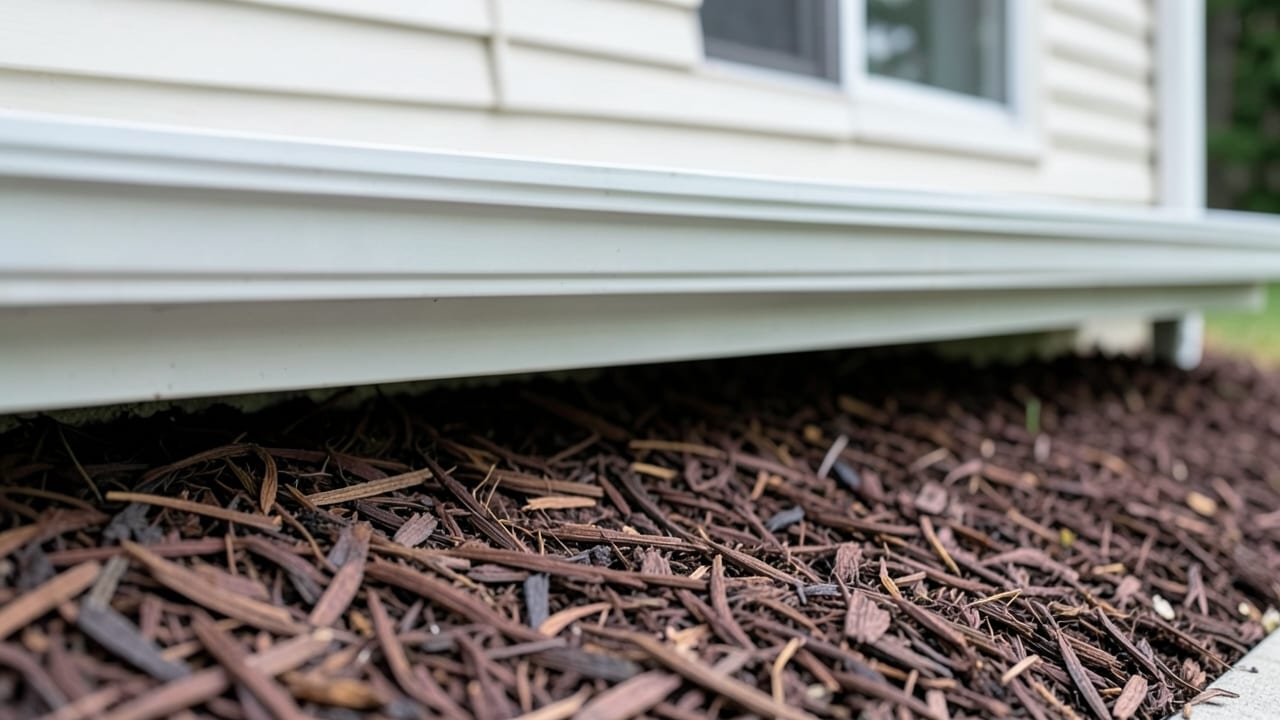
Spring Gutter Debris Removal in Johns Creek, GA
Removing leaves, twigs, and sediment from gutters to restore proper water flow.
Learn More
Gutter Cleaning in Johns Creek, GA
Whole-system gutter cleaning in Johns Creek, GA — clears leaf and twig buildup from every run and downspout so water is carried away from the roof and foundation, not into them.
Learn More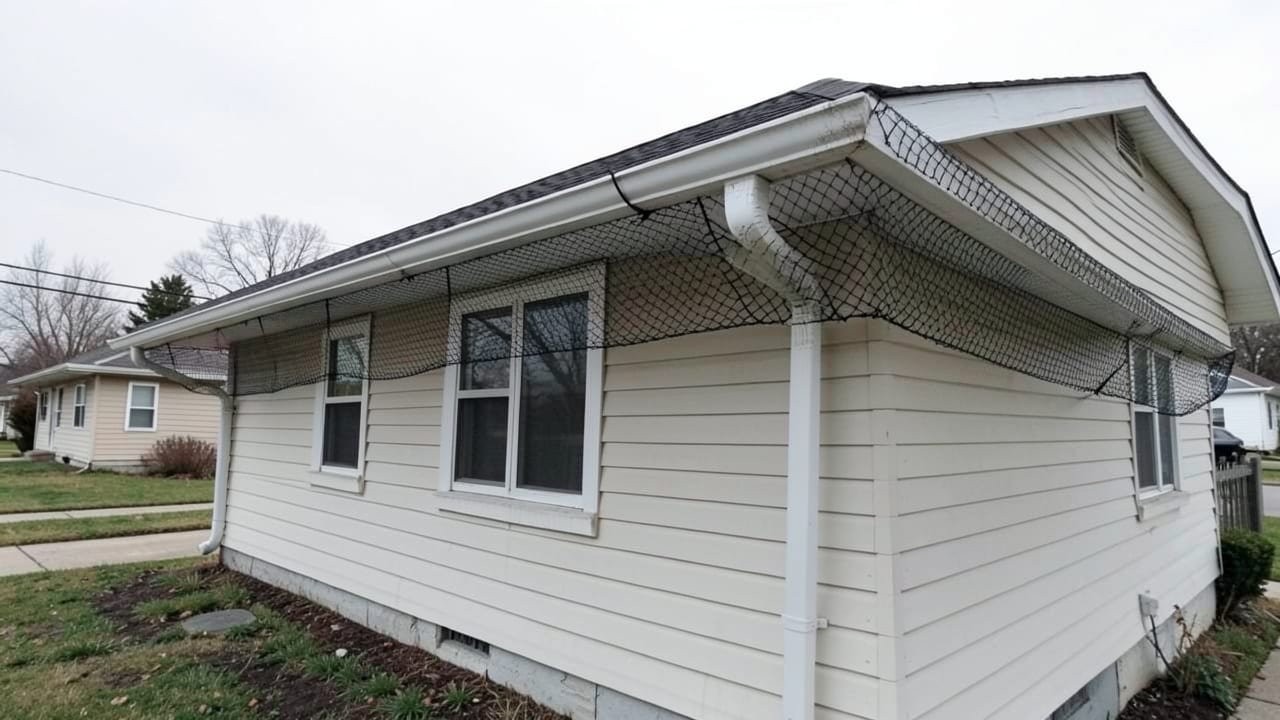
Gutter Guard Installation in Johns Creek, GA
Gutter guard installation in Johns Creek, GA reduces how often gutters need clearing by keeping leaf and twig buildup out of the trough in the first place.
Learn MoreCommon Questions About Gutter Cleaning in Johns Creek
Everything you need to know about gutter cleaning services in Johns Creek
How much does Overflowing Gutter Water Diversion typically cost in Johns Creek, GA?
What local factors affect how often gutters need attention around Johns Creek, GA?
Does Overflowing Gutter Water Diversion require a special license in GA?
Can gutters be cleaned safely from the roof instead of a ladder?
Can standing water in clogged gutters attract pests?
How often do gutters actually need to be cleaned?
Need Gutter Cleaning in Johns Creek?
Get a written quote from our Johns Creek crew.
⏰ We answer your call • Serving all of Johns Creek and surrounding areas